
How we help
We believe individuals have the power to change the world. Give a Fork puts that into practice by helping institutions transition to lower-impact food, with measurable environmental results. Delicious food, all while helping to make the world a better place!

Because we’re not-for-profit, our only goal is to protect the environment by supporting and educating universities, schools and community groups to transition to lower-impact food for their events. We do this by:

4.
We provide education, sustainability statistics and presentations on how our food choices are strongly associated with our environmental impact. We demonstrate how each of us has the power to help, and actively measure and publish how much water, land, energy and emissions you are saving.
1.
We help you to provide a practical (and delicious) solution to the problem. We carefully select only the best and tastiest plant-based meat alternatives and meals that suit your events, from manufacturers and caterers who care about creating a better world.
2.
We coordinate with you and the supplier to ensure their delicious and climate-friendly meals are accessible to you, and provide support to your institution to make a sustainable transition possible.
3.
The food is invoiced directly from the manufacturer or caterer at a discounted cost, with free delivery and assistance cooking or serving by the Give a Fork team (pending our availability) to assist in making the best choice the easiest, too.


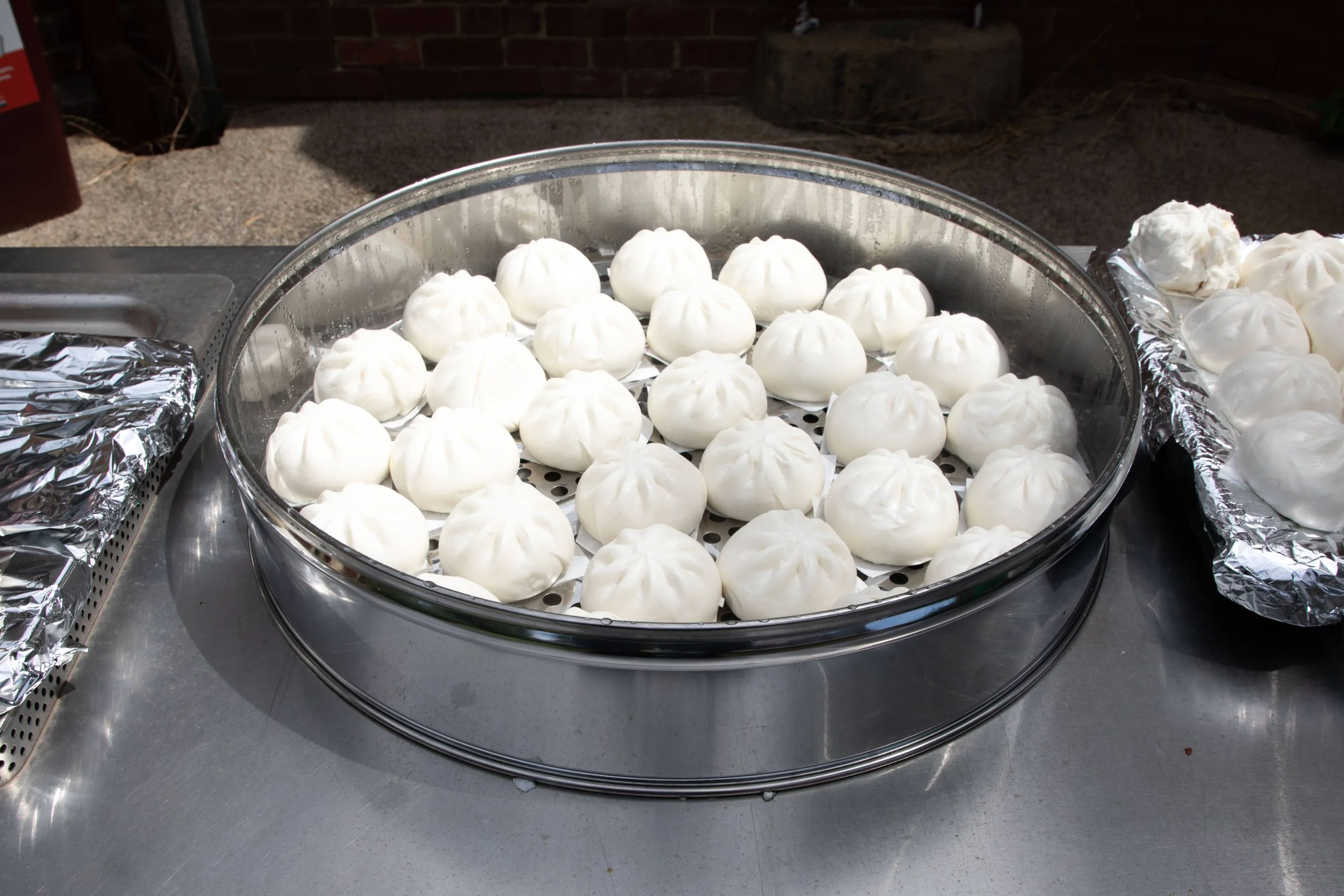
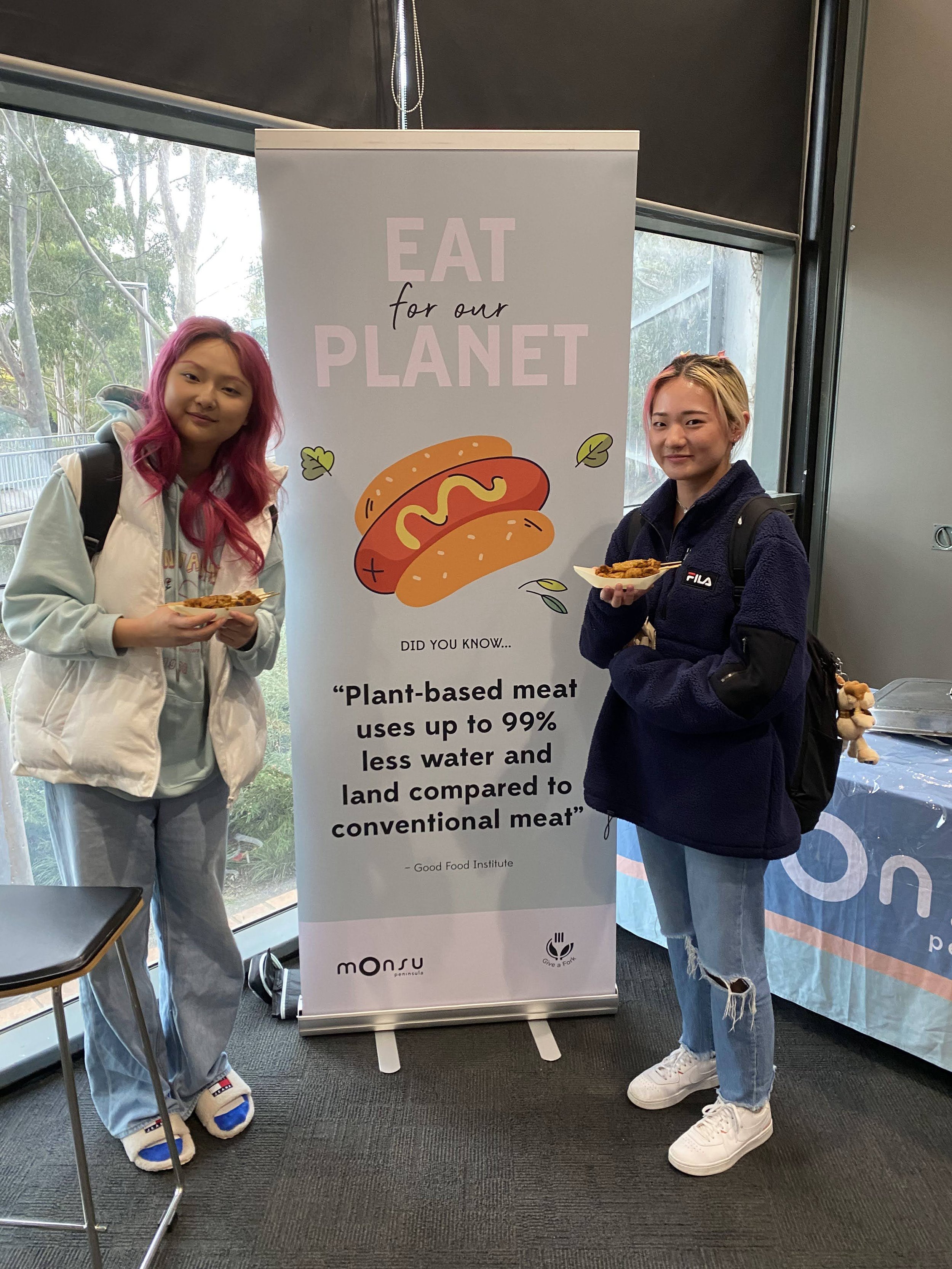

Through our work with institutions and plant-based food providers, we've helped replace over 200,000 meals with more sustainable alternatives since 2021.
This has helped to save approximately:
4,021,000
KM driven
of
emissions
183
days
of home
energy
230,600
Showers
of
Water
26,200
basketball courts
of land
We’re proud to be working with the following groups (among others), helping to make their events sustainable, inclusive, and delicious!








With the help of Give a Fork,
your institution or group can now access a practical (and delicious) solution that protects our environment, feeds a variety of dietary requirements and makes you a hero.
Frequently Asked Questions
-
Neither, although we do facilitate and coordinate sustainable catering. We are actually an environmental protection not-for-profit that assists groups to transition to food that’s better for our planet. We do this in two main ways:
Delivering free educational presentations and programs, quoting Australian and global evidence of our food systems’ environmental impact.
Providing a practical solution through our catering partners, offering access to sustainable catering that tastes good, caters to all dietary requirements and shows a measurable reduction in water, land, energy and emissions.
-
Food is the easiest change that makes the largest impact for our planet, that each of us have autonomy to change on a daily basis.
Mainstream sustainability organisations and movements are extremely important to Australia’s environmental survival; clean energy, carbon neutrality, regenerative agriculture, recycling, plastic reduction, FOGO, etc. Whilst these campaigns are crucial to our planet, agriculture continues to be the largest driver of habitat loss, species extinction, land & water use and a top single-industry contributor to emissions.
Switching from funneling protein through animals, to consuming the nutrients we need from plants directly, touches on all aspects of environmental sustainability; water, land, energy, pollution & emissions. This is despite the transition away from overconsuming animal-based proteins not being taken seriously enough by governments, institutions, organisations and individuals. We thought “enough is enough”, and decided to do something about it.
If not you, who? If not now, when?
We must all act now if we want to continue enjoying the beauty of our planet. -
No. Taking the step of becoming a vegetarian, or even more environmentally impactful, a vegan, is a commendable choice that offers the greatest diet-related environmental benefit possible, as long as you can sustain it healthily.
The trouble is, many people feel that these labels are out of reach for them or simply don’t stay with it long-term, so instead just stick to their regular, environmentally damaging, diets.Our primary aim is to protect our environment by reducing factory farmed animal-protein consumption as quickly as possible, as we feel that this is the lowest hanging (and most impactful) fruit for an individual or institution (who serves food).
This means that we prioritise encouraging the greatest number of people to adopt plant-rich diets that they will actually stick to, rather than encouraging black-and-white dietary labels. We found the best and most effective way to do this is by normailising delicious plant-based food and encouraging food culture transformation. -
Let’s be honest, conventional catering usually sucks:
Traditional caterers are businesses. Their priority is profit margin, and they have no incentive to offer a service that helps the customer or planet beyond sales.
If it tastes ‘good enough’, you’ll order their catering again, out of fear that the alternative is even worse. Catering norms are flavourless sandwich platters or oil-laden slop to mask cutting corners or food that leaves you unsatisfied.
Many successful businesses exploit laziness, and profit from it. Think Amazon, Netflix, & UberEats. You are charged a premium for easy catering orders, delivered and served at your event, if it means you don’t need to lift a finger.
What can a conventional caterer say that sets them apart? “Buy from us, we’re marginally cheaper that the alternative business”? Without a mission people can get behind, they’re all just another business.
We are mission-driven, facilitate delicious, sustainable and inclusive catering for you, and do the work free of charge. You get tasty food that leaves everyone happy, uses less budget and you’re left with evidence-based statistics showing how you’ve left the planet a better place.
-
We’re funded by a variety of kind donors, who want to see their money go toward projects that make the world a better place that all beings can enjoy into the future. We operate independently from our funding sources so that we can stay true to our mission of creating a sustainable food system that doesn’t harm our planet.
-
Nothing. No, seriously. We coordinate between you and the caterers we’ve carefully selected based on their ability to provide consistently delicious and climate-friendly food.
Give a Fork helps to lower the cost of their food by increasing your access to it through a variety of supportive frameworks (logistical support, provision of labour at events and price subsidies).We don’t take any funding or money from the groups we support or the caterers / manufacturers that we collaborate with. You’ll never see an invoice directly from Give a Fork, as they all come direct to you, post-subsidy, from the mission-aligned partners we work with.
-
The knowledge that we’re helping to ensure the future of our planets survival
Feeling that our assistance is contributing to nature being supported to thrive through empowering you to make a better choice.
Seeing people open their minds to a different way of eating and thinking about how their daily choices impact the world around them.
-
With such a small team and limited funding, we focus our time, effort and budget into educating about and providing a practical and accessible solution to our collective environmental damage.
Coming alive on socials will be a future endeavor, primarily to showcase the incredible work of the groups we assist.